The Pinterest marketing strategy that's actually getting me clicks in 2026
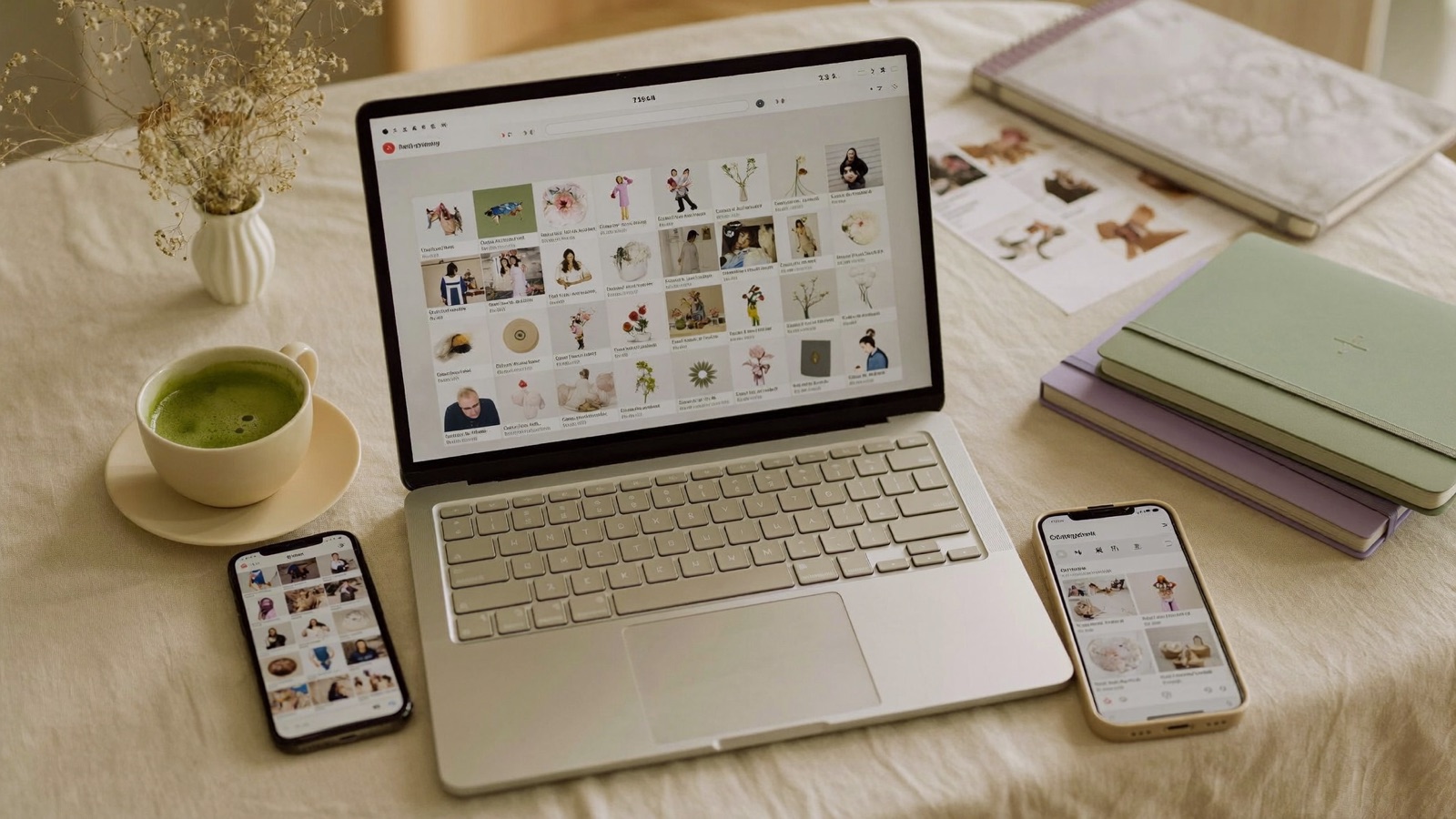
Get my free winning pins dashboard - the exact pins getting me clicks right now, sorted by click trigger and topic.
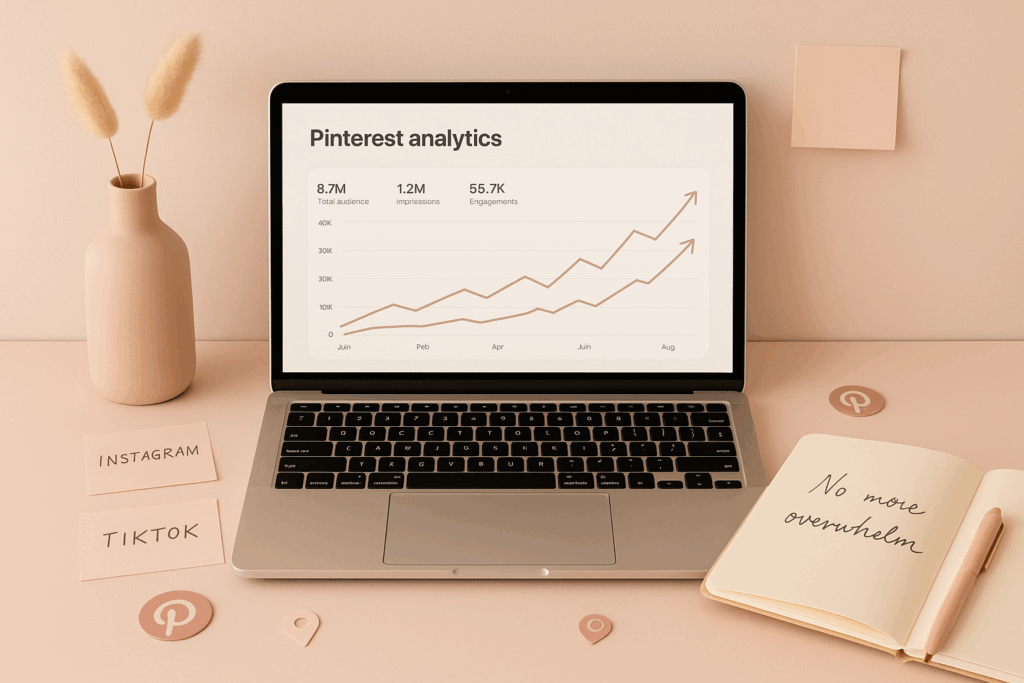
I'm going to keep it really real with you. I've made almost $100,000 selling digital products on Pinterest - a big chunk of it using the AI pin system I built for exactly this, Pin Perfection. But right now? My numbers are down across the board. And I know it's not just me - loads of people are watching their Pinterest numbers drop, and here's the thing nobody's really talking about: Pinterest has changed, and we all need to catch up if we want to keep making money from it.
So I went into my account to work out what was actually going on. And here's what I realised: the problem wasn't that I needed to post more pins. It was that I needed to make more pins people would actually click on. Most people out here are using Pinterest to make pretty pins - but we're not pinning for fun. We're pinning to sell our digital products. And if you don't give someone a reason to click, you don't get the traffic, and you don't get the sales.
Stop making pretty pins and start making pins people click. Every pin that pops off has at least one of four click triggers - clarity, payoff, curiosity, or trust and ease - and every click gets sent somewhere that matches the pin: a blog post, a freebie, or a product. Get those two things right and Pinterest becomes a traffic machine for your digital products again.
Want a head start? Grab my free winning pins dashboard - the real pins getting me clicks right now - and if you'd rather have the whole thing done for you, Pin Perfection writes your pins for you.
Prefer to watch? Here's the full video, then I'll break the whole strategy down below.
Why are my Pinterest views and clicks dropping in 2026?
Because Pinterest has changed - and posting more is not the fix. When I dug into my own account, the pins that had stopped working weren't badly designed. They just weren't giving anyone a reason to click.
Here's the distinction that matters: views are not clicks, and clicks are not sales. A pretty pin can get plenty of views and still send zero people to your product. What you actually want is the outbound click - a real human leaving Pinterest and landing on your platform. We are not using Pinterest as a mood board. We're using it to move people from Pinterest to our blog, our freebie, or our product.
What actually makes a Pinterest pin get clicked? (the 4 triggers)
I've done a lot of research on this, and every single pin of mine that pops off and makes me thousands has at least one of these four things. Not all four - one is enough. This is the anatomy of a pin that gets clicked:
1. Clarity - make it obvious who it's for
The best clarity pins tell someone in a split second that this is for them. Something like "how to sell digital products as a complete beginner" - it's immediately clear who that pin is talking to.
In your niche, call your person out directly. For women who want to lose weight while dealing with PCOS. For men who want to get in the best shape of their life after surgery. For people who want to finally progress in their career. Yes, being that specific means your pin appeals to fewer people - but it appeals to the right people, the ones who actually click instead of scrolling past.
2. Payoff - promise a specific outcome
This is the big one. This is where I get the most traction. A payoff pin makes it crystal clear what someone gets when they click. When I run a pin like "how I made £16,000 without social media", nobody's confused - they know they're about to get the step-by-step so they can go and do it too.
The formats that pop off for me are almost always "how I", "how to" and "where to". If you can promise people the process, the advice, the exact steps - they know the payoff they're getting, and they click.
3. Curiosity - open a loop they can't ignore
Curiosity pins open a loop in someone's mind that they have to close. "I tried selling digital products for 4 months - here's what actually happened." Most people want to know what happened after those four months, so they click.
Here's my little secret: I'm not clever with this. I find one that works and I just change a few words to make fresh versions. "I tried selling digital products for 4 months - what worked and what didn't." "I tried selling digital products for 4 months - the practical lessons I learned." Same pin, new words. Once you find a winner, don't reinvent it - remix it.
4. Trust and ease - make their life easier
This trigger is about lowering the effort and building trust at the same time. Freebies are perfect for it - "free templates", "free prompts", whatever you're giving away - just be clear who it's for. It doesn't always have to be free either; a pin like "200+ templates" works brilliantly because it's a shortcut. You're basically saying: I'll make this easier for you.
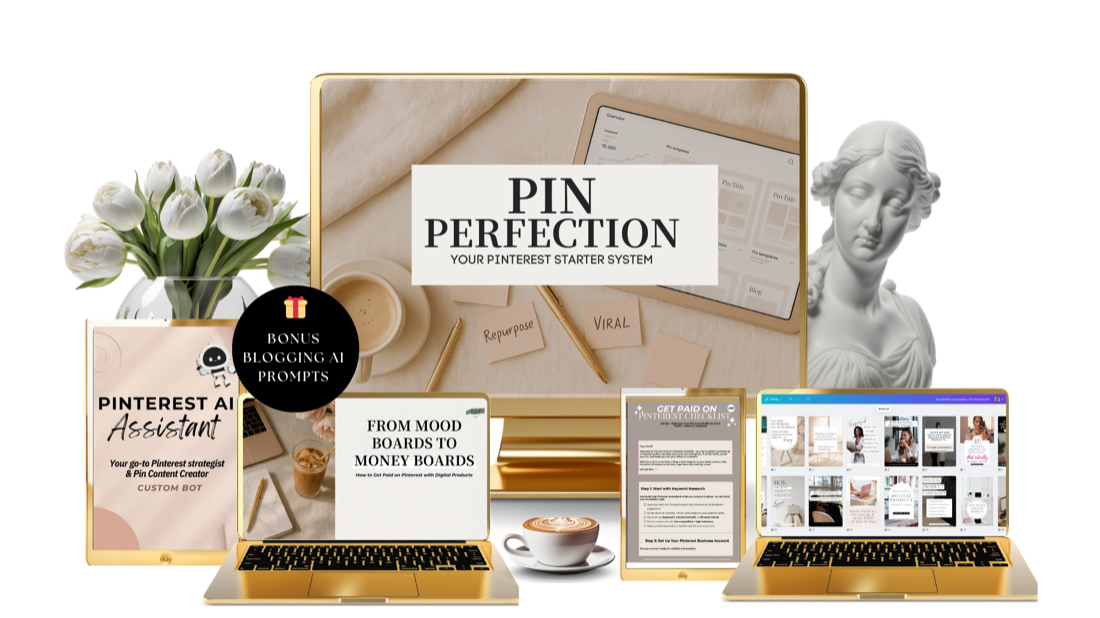
Honestly? Coming up with clear, payoff-driven, curiosity-opening pins over and over is the hard part - and it's exactly why I built Pin Perfection. It's my AI system that writes your pin titles and descriptions and helps you create winning pins built on these exact four triggers, so you're never staring at a blank canvas. Take a look at Pin Perfection here.
How I find my winning pins (and the free dashboard I built in Claude)
I don't guess at what's working - I track it. I built myself a little dashboard in Claude that pulls the pins straight from my account and shows me what's actually getting clicks, sorted by click trigger and by topic. So instead of hoping, I can just look at what's popping and repeat it.
I'm giving that dashboard away, along with the real pins behind it. If you want to see exactly which pins are getting me clicks right now so you can model them for your own digital products, grab the free winning pins dashboard here.
Where should your Pinterest pins actually link to?
Here's what most people get wrong: you can't just send everyone straight to your product. It delivers no value, and people can't start to trust you if all you ever do is shove a product in their face. There are three places a click should go - and the mix matters.
Blog posts work the best for me. All those "how I made 16k", "how I did this" pins go through to blog posts with the full step-by-step - value posts, very similar to what I share on YouTube. And throughout the post, I strategically link my digital products with hyperlinks (exactly like this post you're reading right now). It's a bit slower, because people have to read and then click, and you do lose some along the way - but you still end up with far more people reaching your product page through the blog than by sending them straight there.
Freebie pages are the second destination. Someone downloads a freebie, you capture the email, and you can email-market them later. Direct-to-product is the third - and only some pins should do this. When they do, the pin has to make it obvious it's leading to a product. Because here's the hack: if someone clicks a pin expecting a blog post or some advice, and they land straight on a product page, they get confused and bounce. Over time Pinterest notices those bounces and starts suppressing your views. So if a pin links to a product, say so on the pin - "I've got 20 marketing templates that'll get you more traffic, want them?" - so the click matches the destination.
The 2026 Pinterest formula (put it all together)
So here's the whole thing in one line. First, create a pin with the right click trigger - clarity, payoff, curiosity, or trust and ease. Then earn the outbound click. Then send that click to a destination that matches the pin: a blog post, a freebie, or a product.
We're not using Pinterest as a mood board. We're not posting pretty pictures. We're not chasing views. We're going for clicks - taking people off the Pinterest platform and onto yours. That's how Pinterest sells your digital products.
One more thing: people can't click a pin they never see. If nobody searches your keyword and finds your pin, none of this matters - which is exactly the part I made Pin Perfection to handle.
Want the AI system that writes your pins for you?
Coming up with clear, payoff-driven, curiosity-opening pins over and over is the hard part - and it's the part most people quietly give up on. Pin Perfection is my complete AI-powered Pinterest marketing system. It writes your titles and descriptions and helps you create winning pins built on the exact four triggers above, so you can turn Pinterest into a proper traffic machine for your digital products without staring at a blank canvas.
Let Pin Perfection write your winning pins
The complete AI-powered system that creates your pin titles, descriptions and click-getting pins - so Pinterest actually drives sales of your digital products.
Get Pin PerfectionPinterest for digital products - FAQs
Why are my Pinterest clicks going down in 2026?
Because Pinterest has changed, and the fix isn't posting more - it's making pins people actually click. Pins that only get views (not outbound clicks) won't drive traffic or sales. Rebuild your pins around a clear click trigger and make sure each one links somewhere that matches it.
What makes a Pinterest pin get clicked?
At least one of four triggers: clarity (it's obvious who it's for), payoff (a specific outcome they get by clicking), curiosity (an open loop they can't ignore), or trust and ease (it makes their life easier, often a freebie). You only need one per pin.
Where should my Pinterest pins link to?
Three places: blog posts, freebie opt-ins, and product pages. Blog posts convert best because they give value first and link the product inside. A good mix is roughly 40% blog, 30% freebie, 30% product - or 50/30/20 if you want fewer direct product pins.
Do I need to show my face on Pinterest?
No. Plenty of my best pins are faceless, and some use an AI twin rather than a real photo of me. A personal brand helps, but you can absolutely get clicks and sales without showing your face.
Rochelle
I got out of corporate selling digital products with AI, and Pinterest is a huge part of how I do it without living on social media. Now I teach you the Soft Life CEO way. more about me →